Y tế thế giới
Sau đại dịch COVID-19, hàng nghìn trẻ mẫu giáo phải đối mặt với các thách thức phát triển
After the COVID-19 pandemic, thousands more kindergarteners faced developmental challenges
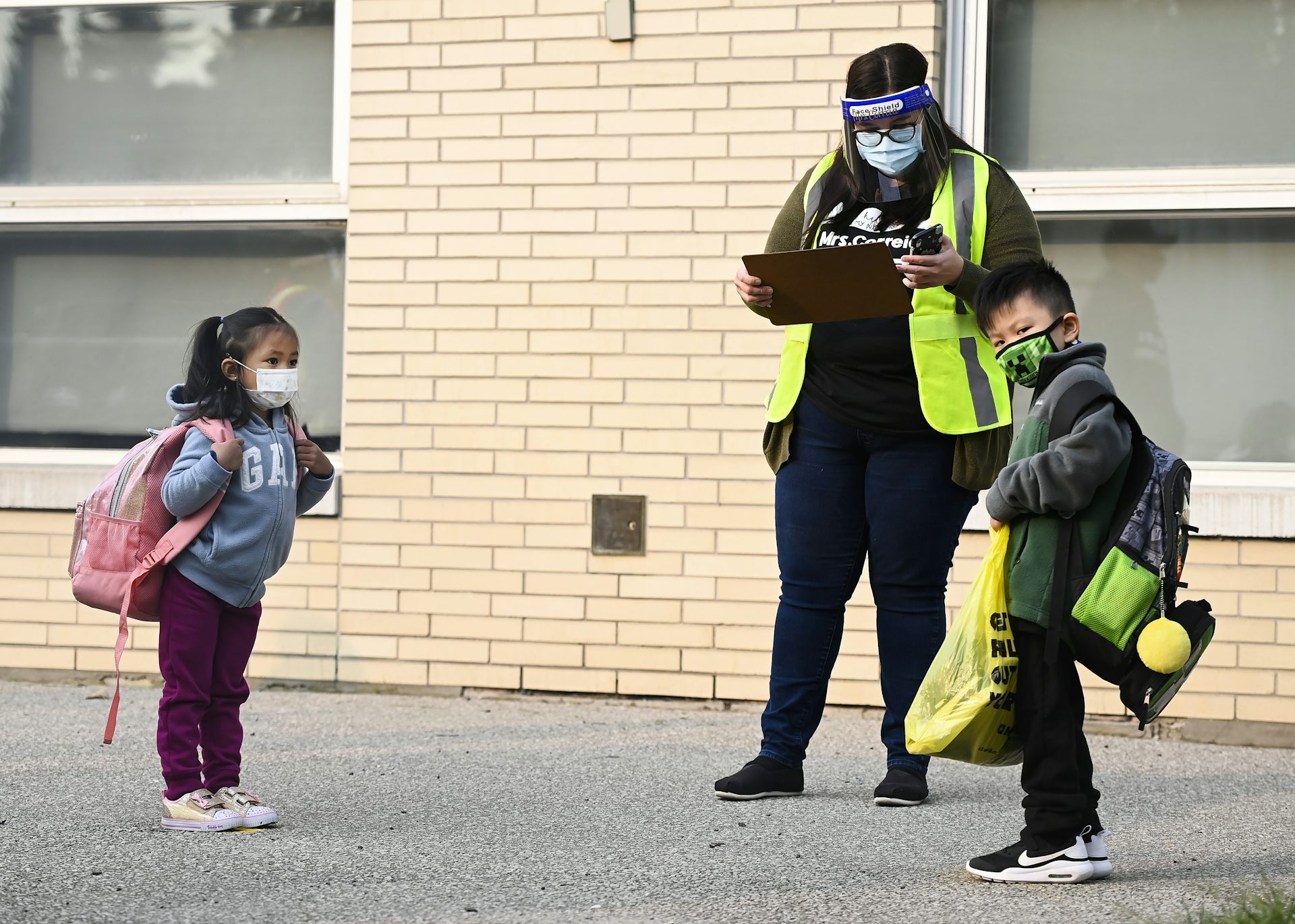
Children with special needs often experience a range of early developmental challenges that can affect their readiness for learning and their participation in school.
Trẻ em có nhu cầu đặc biệt thường trải qua nhiều thách thức phát triển sớm có thể ảnh hưởng đến sự sẵn sàng học tập và khả năng tham gia trường học của các em.
This population includes children with a wide range of neurodevelopmental conditions (like autism and ADHD) as well as physical or sensory conditions and impairments.
Nhóm đối tượng này bao gồm trẻ em mắc nhiều loại rối loạn phát triển thần kinh (như tự kỷ và ADHD) cũng như các tình trạng và khiếm khuyết về thể chất hoặc giác quan.
Overall, children with special needs are more likely to experience challenges in one or more areas of their development compared to other children their age. For example, about 80 per cent of kindergarten children with identified special needs do not yet have the skills needed to fully benefit from classroom learning, compared to 27 per cent of children without special needs.
Nhìn chung, trẻ em có nhu cầu đặc biệt có nhiều khả năng gặp thách thức ở một hoặc nhiều lĩnh vực phát triển so với những trẻ em cùng tuổi khác. Ví dụ, khoảng 80 phần trăm trẻ mẫu giáo có nhu cầu đặc biệt được xác định chưa có các kỹ năng cần thiết để hưởng lợi đầy đủ từ việc học trên lớp, so với 27 phần trăm trẻ không có nhu cầu đặc biệt.
In Canada, children with special health needs are more likely to live in lower-income neighbourhoods and to experience poorer developmental outcomes.
Ở Canada, trẻ em có nhu cầu sức khỏe đặc biệt có xu hướng sống ở các khu phố có thu nhập thấp hơn và trải qua kết quả phát triển kém hơn.
The COVID-19 pandemic, declared in March 2020, changed many aspects of everyday life for young children across Canada. Although all children were affected, those with special needs were often impacted more deeply.
Đại dịch COVID-19, được tuyên bố vào tháng 3 năm 2020, đã thay đổi nhiều khía cạnh của cuộc sống hàng ngày đối với trẻ nhỏ trên khắp Canada. Mặc dù tất cả trẻ em đều bị ảnh hưởng, nhưng những trẻ có nhu cầu đặc biệt thường bị tác động sâu sắc hơn.
Public health measures disrupted many of the resources and supports they and their families relied on, such as health-care visits, child care and early education programs. In some cases, these supports stopped altogether.
Các biện pháp y tế công cộng đã làm gián đoạn nhiều nguồn lực và sự hỗ trợ mà các em và gia đình các em phụ thuộc vào, chẳng hạn như các chuyến khám sức khỏe, chương trình chăm sóc trẻ em và giáo dục mầm non. Trong một số trường hợp, những hỗ trợ này đã dừng lại hoàn toàn.
Many pandemic policies did not fully consider the needs of vulnerable groups, including children with special needs. As a result, these children and their families were more likely to experience negative impacts during this pandemic, highlighting gaps in support and services that may have affected their development.
Nhiều chính sách đại dịch đã không xem xét đầy đủ nhu cầu của các nhóm dễ bị tổn thương, bao gồm cả trẻ em có nhu cầu đặc biệt. Kết quả là, những đứa trẻ và gia đình của các em có nhiều khả năng trải qua những tác động tiêu cực trong đại dịch này, làm nổi bật những khoảng trống trong hỗ trợ và dịch vụ có thể đã ảnh hưởng đến sự phát triển của các em.
Status of inequities
Tình trạng bất bình đẳng
Our team at the Offord Centre for Child Studies at McMaster University produced a report that provided a comprehensive description of the status of inequities in early childhood development in Canada for children with special needs, both before and after the onset of the pandemic. The Public Health Agency of Canada commissioned the report.
Nhóm nghiên cứu của chúng tôi tại Trung tâm Nghiên cứu Trẻ em Offord thuộc Đại học McMaster đã sản xuất một báo cáo cung cấp mô tả toàn diện về tình trạng bất bình đẳng trong phát triển thời thơ ấu ở Canada đối với trẻ em có nhu cầu đặc biệt, cả trước và sau khi đại dịch bùng phát. Cơ quan Y tế Công cộng Canada đã ủy nhiệm thực hiện báo cáo này.
We used population-level data and five different neighbourhood-level socioeconomic measures of inequities, including neighbourhood income after tax. The child development data came from the Early Development Instrument (EDI) , a 103-item, teacher-completed questionnaire that assesses kindergarten children’s ability to meet age-appropriate developmental expectations across five developmental domains.
Chúng tôi đã sử dụng dữ liệu cấp độ dân số và năm thước đo kinh tế xã hội bất bình đẳng ở cấp độ khu phố khác nhau, bao gồm thu nhập khu phố sau thuế. Dữ liệu phát triển trẻ em đến từ Công cụ Phát triển Sớm (EDI) , một bảng câu hỏi gồm 103 mục do giáo viên hoàn thành, đánh giá khả năng của trẻ mẫu giáo đáp ứng các kỳ vọng phát triển phù hợp với lứa tuổi trên năm lĩnh vực phát triển.
We examined EDI data collected before and after the onset of the pandemic to see whether there were differences in teachers’ reports of children’s development in kindergarten.
Chúng tôi đã kiểm tra dữ liệu EDI được thu thập trước và sau khi đại dịch bùng phát để xem liệu có sự khác biệt nào trong báo cáo của giáo viên về sự phát triển của trẻ mẫu giáo hay không.
The EDI database consisted of data from both a pre- and post-pandemic cohort of children (2017-20; 2020-23) . This cohort comprises a total of 540,005 children with special needs from seven provinces and one territory: Prince Edward Island, Newfoundland and Labrador, Nova Scotia, Québec, Ontario, Manitoba, British Columbia and Northwest Territories.
Cơ sở dữ liệu EDI bao gồm dữ liệu từ cả nhóm trẻ em trước và sau đại dịch (2017-20; 2020-23) . Nhóm này bao gồm tổng cộng 540.005 trẻ em có nhu cầu đặc biệt từ bảy tỉnh và một vùng lãnh thổ: Đảo Prince Edward, Newfoundland và Labrador, Nova Scotia, Québec, Ontario, Manitoba, British Columbia và Lãnh thổ Tây Bắc.
We only selected provinces and territories with EDI data collection in both pre- and post-pandemic onset periods.
Chúng tôi chỉ chọn các tỉnh và vùng lãnh thổ có thu thập dữ liệu EDI trong cả giai đoạn trước và sau khi đại dịch bùng phát.
Defining special needs
Xác định nhu cầu đặc biệt
“Special needs” encompasses a broad range of conditions affecting behaviour, communication and physical and intellectual development. A child was identified on the EDI as having special needs if they received a medical, physical or mental-health diagnosis by either a medical or a health practitioner or if they received special education support or services at school.
“Nhu cầu đặc biệt” bao gồm một loạt các tình trạng ảnh hưởng đến hành vi, giao tiếp cũng như sự phát triển thể chất và trí tuệ. Một đứa trẻ được xác định là có nhu cầu đặc biệt theo EDI nếu chúng được chẩn đoán về y tế, thể chất hoặc sức khỏe tâm thần bởi một chuyên gia y tế hoặc chuyên gia sức khỏe, hoặc nếu chúng nhận được sự hỗ trợ hoặc dịch vụ giáo dục đặc biệt tại trường học.
After the COVID-19 pandemic, a higher percentage of children with special needs didn’t meet age-appropriate developmental expectations in one or more developmental domains: physical health and well-being, social competence, emotional maturity, language and cognitive development, communication skills and general knowledge. These children are considered developmentally vulnerable.
Sau đại dịch COVID-19, tỷ lệ cao hơn trẻ em có nhu cầu đặc biệt không đạt được các kỳ vọng phát triển phù hợp với lứa tuổi trong một hoặc nhiều lĩnh vực phát triển: sức khỏe và thể chất, năng lực xã hội, sự trưởng thành về cảm xúc, ngôn ngữ và nhận thức, kỹ năng giao tiếp và kiến thức chung. Những trẻ em này được coi là dễ bị tổn thương về mặt phát triển.
While the overall rates of developmental vulnerability increased, the general pattern remained the same: children in lower-income neighbourhoods or areas with greater social and material disadvantage were more likely to face developmental difficulties.
Mặc dù tỷ lệ chung về sự dễ bị tổn thương phát triển đã tăng lên, mô hình chung vẫn giữ nguyên: trẻ em ở các khu phố có thu nhập thấp hoặc các khu vực có bất lợi xã hội và vật chất lớn hơn có nhiều khả năng gặp khó khăn trong phát triển.
Neighbourhood income
Thu nhập khu phố
This pattern was especially strong when looking at neighbourhood income. As income decreased, the percentage of children experiencing developmental challenges increased. For other neighbourhood characteristics, such as how remote or rural an area was, the patterns were less clear.
Mô hình này đặc biệt rõ rệt khi xem xét thu nhập khu phố. Khi thu nhập giảm, tỷ lệ trẻ em gặp khó khăn về phát triển lại tăng. Đối với các đặc điểm khu phố khác, chẳng hạn như mức độ xa xôi hay nông thôn của khu vực, các mô hình này ít rõ ràng hơn.
For example, while children in very remote areas sometimes had higher rates of vulnerability, this was not consistent across all levels of remoteness, and in some cases, children in the most remote areas had lower vulnerability rates than those in more accessible regions.
Ví dụ, mặc dù trẻ em ở các khu vực rất xa đôi khi có tỷ lệ dễ bị tổn thương cao hơn, điều này không nhất quán ở mọi mức độ xa xôi, và trong một số trường hợp, trẻ em ở các khu vực xa nhất lại có tỷ lệ dễ bị tổn thương thấp hơn so với các khu vực dễ tiếp cận hơn.
Importantly, even though these patterns were similar before and after the pandemic, the overall number of children with special needs who were developmentally vulnerable increased after COVID-19.
Điều quan trọng là, mặc dù các mô hình này tương tự trước và sau đại dịch, tổng số trẻ em có nhu cầu đặc biệt và dễ bị tổn thương về mặt phát triển đã tăng lên sau COVID-19.
On average, there was a 2.5 percentage-point increase in developmental vulnerability. While this may seem small, it represents thousands more children facing developmental challenges than just a few years earlier.
Trung bình, đã có mức tăng 2,5 điểm phần trăm về mức độ dễ bị tổn thương về mặt phát triển. Mặc dù con số này có vẻ nhỏ, nhưng nó đại diện cho hàng nghìn trẻ em phải đối mặt với các thách thức phát triển hơn so với chỉ vài năm trước.
This increase is important because early developmental challenges in kindergarten are linked to greater risks for difficulties later in life, including academic struggles and social or emotional challenges.
Sự gia tăng này là quan trọng vì những thách thức phát triển sớm ở nhà trẻ có liên quan đến nguy cơ khó khăn lớn hơn trong cuộc sống sau này, bao gồm cả các vấn đề học tập và các thách thức về mặt xã hội hoặc cảm xúc.
These risks are especially pronounced for children with special needs, even though some difficulties may improve over time. Even modest increases in developmental vulnerability can have meaningful impacts — not only for children and families, but also for education and health-care systems that support them.
Những rủi ro này đặc biệt rõ rệt đối với trẻ em có nhu cầu đặc biệt, ngay cả khi một số khó khăn có thể cải thiện theo thời gian. Ngay cả những sự gia tăng khiêm tốn về mức độ dễ bị tổn thương về mặt phát triển cũng có thể có những tác động đáng kể — không chỉ đối với trẻ em và gia đình, mà còn đối với các hệ thống giáo dục và chăm sóc sức khỏe hỗ trợ họ.
Girls with special needs: possibly more affected
Các bé gái có nhu cầu đặc biệt: có thể bị ảnh hưởng nhiều hơn
In both the pre- and post-COVID-19 groups of children with special needs, there was a higher percentage of boys who were developmentally vulnerable compared to girls, with only a few exceptions.
Ở cả nhóm trẻ em có nhu cầu đặc biệt trước và sau COVID-19, tỷ lệ bé trai dễ bị tổn thương về mặt phát triển cao hơn so với bé gái, ngoại trừ một vài trường hợp.
For example, 83 per cent of boys with special health needs were considered developmentally vulnerable before the pandemic, rising to nearly 85 per cent after, compared to about 73 per cent and 77 per cent of girls, respectively.
Ví dụ, 83 phần trăm bé trai có nhu cầu sức khỏe đặc biệt được coi là dễ bị tổn thương về mặt phát triển trước đại dịch, tăng lên gần 85 phần trăm sau đại dịch, so với khoảng 73 phần trăm và 77 phần trăm của bé gái, tương ứng.
Boys showed higher rates of vulnerability in most areas of development, except for language and cognitive skills. This pattern is consistent with previous research showing that boys often face more developmental and academic challenges in the early school years.
Bé trai cho thấy tỷ lệ dễ bị tổn thương cao hơn ở hầu hết các lĩnh vực phát triển, ngoại trừ ngôn ngữ và kỹ năng nhận thức. Mô hình này phù hợp với các nghiên cứu trước đây cho thấy bé trai thường gặp nhiều thách thức phát triển và học tập hơn trong những năm đầu đi học.
However, while boys had higher overall rates, the increase in developmental vulnerability after the pandemic was larger among girls. Rates rose by just over one percentage point for boys, but by more than four percentage points for girls. This suggests that girls with special needs may have been more affected by pandemic-related disruptions than boys.
Tuy nhiên, mặc dù bé trai có tỷ lệ chung cao hơn, sự gia tăng dễ bị tổn thương về mặt phát triển sau đại dịch lại lớn hơn ở bé gái. Tỷ lệ tăng hơn một điểm phần trăm đối với bé trai, nhưng hơn bốn điểm phần trăm đối với bé gái. Điều này cho thấy bé gái có nhu cầu đặc biệt có thể bị ảnh hưởng bởi những gián đoạn liên quan đến đại dịch nhiều hơn bé trai.
Implications for essential services
Hàm ý đối với các dịch vụ thiết yếu
Our findings have important implications for policy and practice. Understanding how developmental vulnerability is associated with neighbourhoods can help identify where support is most needed. There is a need to ensure children in more disadvantaged areas have access to health care, early intervention and specialized supports.
Các phát hiện của chúng tôi có hàm ý quan trọng đối với chính sách và thực tiễn. Việc hiểu mối liên hệ giữa tình trạng dễ bị tổn thương về phát triển với các khu dân cư có thể giúp xác định nơi cần hỗ trợ nhất. Cần phải đảm bảo trẻ em ở các khu vực khó khăn hơn được tiếp cận chăm sóc sức khỏe, can thiệp sớm và các hỗ trợ chuyên biệt.
Schools play a key role by identifying special needs early, ideally starting in kindergarten, so that appropriate supports, such as individualized education plans, can be put in place as soon as possible.
Các trường học đóng vai trò then chốt bằng cách xác định sớm các nhu cầu đặc biệt, lý tưởng nhất là bắt đầu từ mẫu giáo, để các hỗ trợ thích hợp, chẳng hạn như kế hoạch giáo dục cá nhân hóa, có thể được triển khai càng sớm càng tốt.
The increase in both the number of kindergarten children with special needs and the proportion experiencing developmental challenges since the pandemic means that there will be more children requiring specialized assistance and accommodation in later grades.
Sự gia tăng cả về số lượng trẻ mẫu giáo có nhu cầu đặc biệt và tỷ lệ trẻ gặp thách thức phát triển kể từ đại dịch đồng nghĩa với việc sẽ có nhiều trẻ hơn cần hỗ trợ và điều chỉnh chuyên biệt ở các lớp lớn hơn.
Our findings highlight the growing pressures on children, families and health and education systems, and underscore the importance of responding with timely and targeted support.
Các phát hiện của chúng tôi nhấn mạnh áp lực ngày càng tăng đối với trẻ em, gia đình và các hệ thống y tế, giáo dục, đồng thời nhấn mạnh tầm quan trọng của việc phản ứng bằng sự hỗ trợ kịp thời và có mục tiêu.
The authors do not work for, consult, own shares in or receive funding from any company or organisation that would benefit from this article, and have disclosed no relevant affiliations beyond their academic appointment.
Các tác giả không làm việc cho, tư vấn, sở hữu cổ phần hoặc nhận tài trợ từ bất kỳ công ty hoặc tổ chức nào được hưởng lợi từ bài báo này, và không tiết lộ bất kỳ mối liên hệ liên quan nào ngoài vị trí học thuật của họ.
-
Cấy ghép não cho phép chúng ta di chuyển và nói chuyện. Nhưng chúng cũng có thể bị hack
Brain implants allow us to move and talk. But they could also be hacked
-
Việc siết chặt gian lận Medicaid của Trump nghe có vẻ hợp lý, nhưng nó có thể gây hại cho những người Mỹ cần chăm sóc dài hạn.
Trump’s Medicaid fraud crackdown may sound sensible, but it could harm Americans who require long-term care
-
Tại sao độ cao khiến bàn chân bạn cảm thấy lạ?
Why do heights make your feet feel strange?
-
Rối loạn liên quan đến Phenylalanine Hydroxylase và Celiac đồng mắc: Một trường hợp hiếm gặp với các hàm ý đối với quản lý lâm sàng
Concurrent Phenylalanine Hydroxylase–Related Disorder and Celiac: A Rare Co-occurrence With Implications for Clinical Management
-
Nhịp nhanh thất đa hình thái, Sarcoidosis, và việc phát hiện cuối cùng một U tế bào ưa chrom
Polymorphic Ventricular Tachycardia, Sarcoidosis, and the Ultimate Unmasking of a Pheochromocytoma
-